



The Ultimate Checklist For Maintaining New GMC
Keeping Your GMC in Pristine Condition
Welcome to the world of new vehicle ownership at Huston GMC in LAKE WALES, FL! To help you keep your new GMC—whether it’s the rugged Sierra 1500, the adventurous Sierra AT4, or the groundbreaking Hummer EV—performing at its best, we’ve created the Ultimate Checklist for Maintaining Your New GMC. This guide is designed to address the unique challenges posed by Florida’s climate and driving conditions, ensuring your vehicle remains reliable and enjoyable year-round.
Why Routine Maintenance Matters
Cars are remarkable machines engineered for comfort and performance. However, just like any complex system, they require regular care to function optimally. Routine maintenance helps prevent breakdowns, enhances safety, and maintains your vehicle’s value over time. Whether you’re navigating sunny streets or rainy roads, a proactive approach to vehicle care is essential.
The Benefits of Regular Maintenance
Regular maintenance extends the lifespan of your vehicle, improves fuel efficiency, and helps you avoid costly repairs down the line. Here are some key benefits:
- Safety: A well-maintained vehicle is less likely to experience unexpected breakdowns, ensuring your safety and that of your passengers.
- Performance: Routine checks, such as GMC oil change and GMC brake inspection, enhance the performance of your GMC, ensuring smooth handling and optimal fuel efficiency.
- Value Retention: Proper care preserves your vehicle’s resale value, making it a wise investment in the long run.
- Peace of Mind: Knowing your vehicle is in good condition provides peace of mind while driving.
Your GMC Maintenance Checklist
Maintaining your new GMC is straightforward if you follow a detailed checklist. Here’s a comprehensive guide that outlines regular and seasonal maintenance tasks to keep your vehicle in top shape.
Regular Maintenance Tasks
GMC Oil Change
Regular oil changes are vital for your engine's health. Over time, oil breaks down and can lead to increased friction and potential engine damage. Depending on your model and the type of oil used, changes may be needed every 5,000 to 7,500 miles.
How to Change Your Oil
- Gather Supplies: You'll need new oil, a new oil filter, a wrench, an oil pan, and a funnel.
- Warm Up the Engine: Run the engine for a few minutes to warm up the oil. Warm oil drains more easily.
- Drain the Old Oil: Place the oil pan under the oil pan of your vehicle. Remove the oil drain plug and let the oil drain completely.
- Replace the Oil Filter: Use an oil filter wrench to remove the old filter. Apply a bit of new oil to the rubber gasket of the new filter and install it.
- Add New Oil: Replace the drain plug and add new oil using the funnel. Check your owner’s manual for the recommended type and amount of oil.
- Check for Leaks: Start the engine and let it run for a few minutes. Check for any leaks around the oil filter and drain plug.
Tip: Always consult your owner’s manual for specific intervals and recommended oil types for your GMC, whether it's the Sierra 1500, Sierra AT4, or Hummer EV.
GMC Tire Rotation
Rotating your tires helps ensure even wear, extending their life and maintaining optimal handling. Typically, tires should be rotated every 5,000 to 7,500 miles.
How to Rotate Your Tires:
- Lift the Vehicle: Use a jack to lift your vehicle and secure it with jack stands.
- Remove the Tires: Use a lug wrench to loosen and remove the lug nuts from each tire.
- Swap the Tires: Follow the pattern recommended in your owner’s manual (typically front-to-back or side-to-side) to rotate the tires.
- Reinstall the Tires: Place the tires back on their respective hubs, tighten the lug nuts by hand, and then lower the vehicle.
- Final Tightening: Once the vehicle is back on the ground, use the lug wrench to tighten the lug nuts in a criss-cross pattern to ensure even pressure.
Tip: Keep an eye on tire pressure as well. Incorrect pressure can decrease fuel efficiency and compromise safety.
GMC Brake Inspection
Your brakes are crucial for safety. Regular GMC brake inspection can identify worn pads and rotors before they lead to more significant issues. If you notice unusual sounds or feel a change in brake response, it's time for a check.
How to Inspect Your Brakes:
- Visual Inspection: Check the brake pads through the wheel spokes. If they appear thin or worn, it’s time to replace them.
- Listen for Sounds: Pay attention to any grinding, squeaking, or rattling noises while braking. These sounds can indicate wear.
- Brake Feel: If the brake pedal feels spongy or requires more pressure than usual, have your brakes inspected.
Tip: Schedule a professional GMC certified service for brake inspections at least once a year or more frequently if you drive in heavy traffic or hilly areas.
GMC Battery Replacement
Your vehicle’s battery is essential for starting and powering various electrical components. If your battery is nearing its lifespan or shows signs of wear, consider a GMC battery replacement.
How to Maintain Your Battery:
- Visual Inspection: Look for corrosion on terminals. Clean with a mixture of baking soda and water.
- Battery Test: Use a multimeter to check voltage; if it’s below 12.4 volts, consider recharging or replacing.
- Secure Mounting: Ensure the battery is securely fastened to prevent vibration damage.
Tip: Schedule battery checks during regular service appointments to catch any issues early.
Fluid Level Checks
Consistently checking vital fluids—engine oil, coolant, brake fluid, and transmission fluid—can prevent major mechanical failures.
How to Check Fluid Levels
- Engine Oil: Pull out the dipstick, wipe it clean, then reinsert it and pull it out again to check the level. Add oil if it's low.
- Coolant: Locate the coolant reservoir and ensure the level is between the minimum and maximum marks.
- Brake Fluid: Check the brake fluid level in the reservoir. It should be within the designated range.
- Transmission Fluid: With the engine running, check the transmission fluid dipstick to ensure it’s at the correct level.
Tip: A quick monthly check can save you from costly repairs down the road.
Seasonal Maintenance Considerations
Summer Preparation
The intense FL heat can be tough on your vehicle. Ensure your air conditioning system works efficiently and check the coolant level to prevent overheating.
How to Prepare for Summer
- Check A/C Performance: Turn on your air conditioning to ensure it’s blowing cold air. If not, consider recharging the system or checking for leaks.
- Inspect Cooling System: Check the radiator and hoses for signs of wear or leaks. Replace any worn hoses.
- Check Battery: Extreme heat can strain your battery. Clean the terminals and ensure the battery is securely mounted.
Tip: Clean the condenser and radiator to maximize cooling efficiency during the hottest months.
Rainy Season Readiness
Florida’s rainy season demands proper visibility and control. Check your windshield wipers for effectiveness and ensure your tires have adequate tread to prevent hydroplaning.
How to Prepare for Rainy Weather
- Wiper Blades: Inspect wiper blades for wear and replace them if they leave streaks on the windshield.
- Tire Tread Depth: Use the penny test to check tread depth. Insert a penny into the tread; if you see all of Lincoln's head, it's time to replace your tires.
- Brake Performance: Ensure your brakes are responsive, as wet conditions can affect stopping distances.
Tip: Replace wiper blades every six months to maintain optimal visibility.
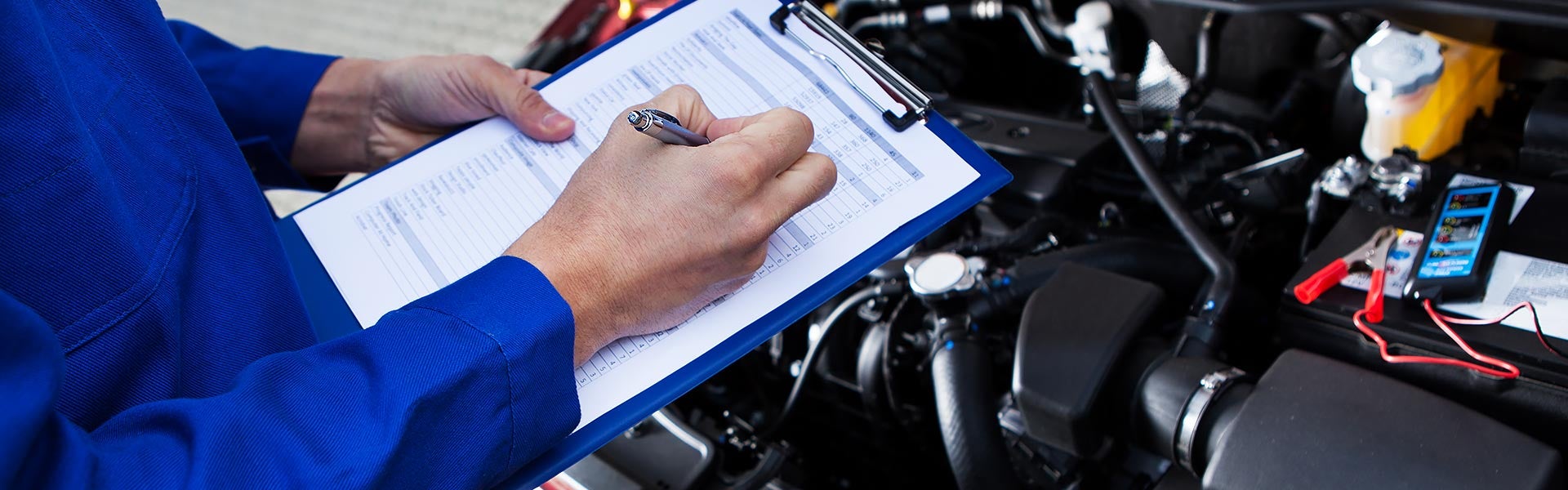
Exterior and Interior Vehicle Care
Living in LAKE WALES means taking special care of both the exterior and interior of your GMC to combat the climate's effects.
Exterior Care
Regular Washing
Regular washing removes harmful elements such as salt and debris that can lead to rust and paint damage. For coastal areas, washing your vehicle every two weeks is recommended.
How to Wash Your Vehicle
- Gather Supplies: Use a bucket, a soft sponge, car wash soap, and a hose or pressure washer.
- Start from the Top: Begin washing from the roof down to avoid dirt running down onto clean areas.
- Rinse Thoroughly: Ensure all soap is removed to prevent streaking.
- Dry with a Microfiber Cloth: This helps prevent water spots and keeps the finish smooth.
Waxing
Applying a quality wax twice a year provides a protective barrier against UV rays and contaminants, keeping your vehicle’s paint looking new.
How to Wax Your Vehicle
- Choose the Right Wax: Select a wax suitable for your vehicle’s finish (paste, liquid, or spray).
- Apply Wax in Sections: Work on one section at a time, applying a thin, even layer.
- Buff with a Soft Cloth: After the wax dries (according to the product instructions), buff the area to a shine.
Interior Upkeep
Air Filter Replacement
The cabin air filter ensures you breathe clean air while driving. In areas with high pollen counts, check and replace this filter annually.
How to Replace the Cabin Air Filter
- Locate the Filter: Check your owner’s manual for the location. It’s usually behind the glove compartment.
- Remove the Old Filter: Carefully take out the old filter, noting its orientation.
- Install the New Filter: Insert the new filter in the same direction as the old one.
Interior Cleaning
Maintaining a clean interior is vital for comfort and resale value. Regular vacuuming and surface cleaning make a significant difference.
How to Clean the Interior
- Vacuum Regularly: Use a vacuum with attachments to clean carpets and seats.
- Use Appropriate Cleaners: Use products specifically designed for your interior surfaces (leather, vinyl, fabric).
- Condition Leather: If you have leather seats, use a leather conditioner every few months to prevent cracking.
Preparing for Emergencies
Florida’s unpredictable weather and road conditions necessitate being prepared for emergencies. Having an emergency kit in your GMC can make a significant difference.
Emergency Kit Essentials
Include basic supplies and climate-specific items in your emergency kit
- Water and Non-Perishable Snacks: Keep hydrated and energized during unexpected delays.
- Flashlight and Extra Batteries: Essential for nighttime emergencies.
- First Aid Kit: Ensure it’s stocked with bandages, antiseptics, and basic medical supplies.
- Jumper Cables: These can be a lifesaver if your battery dies.
- Basic Tools: A wrench, screwdriver, and pliers can help with minor repairs.
Performance Checks
Alignment and Suspension
Regular checks of your vehicle’s alignment and suspension systems ensure a smooth ride and prolong tire life. Misalignment can lead to uneven tire wear and handling issues.
How to Check Alignment
- Visual Inspection: Look for uneven tire wear or a steering wheel that isn’t centered.
- Professional Check: Have a professional align your vehicle annually or if you notice any handling issues.
Battery Maintenance
Perform regular checks on your battery, especially during extreme temperatures. A multimeter can help you assess its condition, or visit a GMC certified service center for a thorough check.
Battery Maintenance Tips
- Keep Terminals Clean: Regularly check for corrosion and clean as needed.
- Check Age of Battery: Most batteries last around three to five years. If yours is approaching this age, consider a replacement.
- Test Regularly: Have your battery tested when you get your oil changed.
Additional Tips for FL Driving
Be Mindful of Humidity
Florida’s humidity can affect various vehicle components. Keep an eye on your vehicle’s electrical systems, as moisture can lead to corrosion.
- Check Electrical Connections: Ensure all connections are clean and free of corrosion.
- Use Protective Sprays: Consider using corrosion inhibitors on exposed metal parts.
Watch for UV Damage
The strong FL sun can cause fading and damage to your vehicle's interior and exterior.
- Window Tinting: Consider professional window tinting to reduce heat and UV exposure.
- Regular Conditioning: Use UV protectant sprays on the dashboard and seats.
Plan for Hurricane Season
During hurricane season, have a plan in place for your vehicle.
- Know Your Evacuation Routes: Familiarize yourself with routes and areas that are prone to flooding.
- Keep Your Tank Full: Ensure you have enough fuel to evacuate if needed.
- Move to Higher Ground: If severe weather is forecasted, park your vehicle in a safe, elevated area.
Keep Your GMC in Shape with Huston GMC
By following this Ultimate Checklist for Maintaining Your New GMC in LAKE WALES, you ensure your vehicle stays safe, reliable, and enjoyable for years to come. Regular maintenance tasks like GMC oil changes, GMC brake inspections, GMC tire rotations, and GMC battery replacements are crucial. Seasonal considerations will help your GMC withstand Florida’s unique climate challenges.
Whether you own a Sierra 1500, Sierra AT4, Hummer EV, or any other model, keeping up with these maintenance tips will not only enhance your driving experience but also preserve the value of your vehicle. For all your GMC service in LAKE WALES needs, visit Huston GMC—your trusted partner for GMC certified service! With proactive care and attention, you can enjoy the full potential of your new GMC for many miles ahead.