



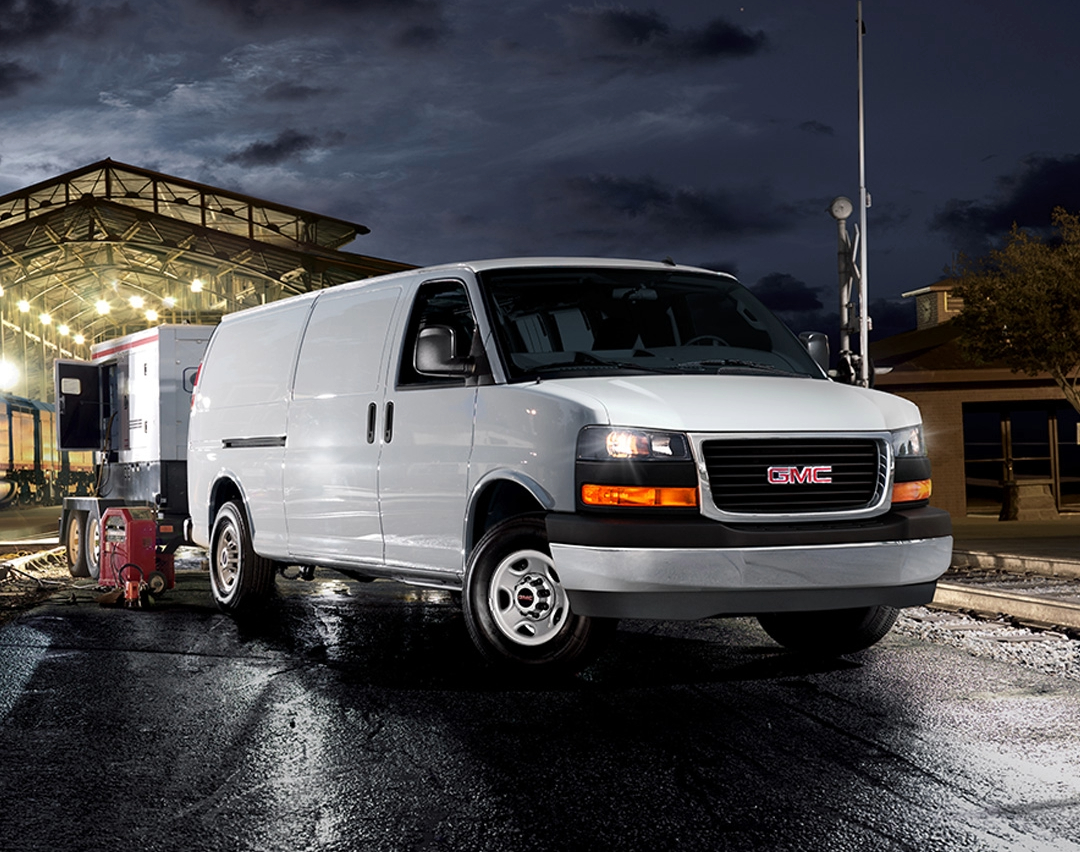
When it comes to heavy-duty towing, the GMC Savana stands out as one of the most reliable workhorses on the road. Whether you’re hauling equipment, a trailer full of supplies, or a boat for a weekend getaway, your Savana is built to get the job done. But towing comes with responsibility its not just about hooking up the trailer and hitting the road. Proper safety measures are essential to keep both you and your cargo safe. Overloading, improper setup, or neglecting routine maintenance can lead to costly damage or even dangerous situations on the road.
At Huston Cadillac GMC in Lake Wales, were here to help ensure that your Savana is always ready for the job, whether youre towing across town or cross-country. In this guide, well break down everything you need to know to tow safely with your GMC Savana from understanding your vehicles towing limits to essential pre-trip inspections. Ready to get towing? Lets dive into the best practices that will keep you and your cargo secure on the road.
For more personalized advice, dont hesitate to visit us at Huston Cadillac GMC or give us a call. Were here to help you make sure your towing experience is as smooth and safe as possible.
The Power of the GMC Savana: A Towing WorkhorseThe GMC Savana has earned a reputation as a dependable vehicle, especially when it comes to heavy-duty towing. With its robust engine options, exceptional towing capacity, and built-in durability, the Savana is designed to handle the toughest tasks, from transporting goods to towing large trailers. Whether youre using the Savana for business or recreational purposes, understanding its towing capabilities and ensuring youre using it safely is key to a successful towing experience.
Built for Power: Engine Options and Towing CapacityOne of the key reasons the GMC Savana excels as a towing vehicle is its powerful engine lineup. The Savana offers both V6 and V8 engine options, each engineered for impressive performance. The 4.3L V6 engine provides a solid balance of power and efficiency, while the 6.6L V8 offers even greater towing capability, especially for larger loads.
- GMC Savana 2500: With the right engine, this model can tow up to 7,400 pounds, making it ideal for lighter loads such as small trailers or utility vehicles.
- GMC Savana 3500: Equipped with stronger components, the 3500 model can tow up to 10,000 pounds, giving you the ability to haul larger trailers, boats, or even heavy construction equipment.
Depending on the configuration, the GMC Savana 2500 and 3500 models offer a range of towing capacities, with the 3500 being the real towing powerhouse. The Savana 2500 can tow up to 7,400 pounds, while the 3500 can handle up to 10,000 pounds making it an ideal choice for hauling everything from work equipment to RVs or trailers.
Heavy-Duty Durability for Long-Distance TowingWhat sets the GMC Savana apart is its durability. Built with a sturdy frame, reinforced suspension, and advanced towing technologies, the Savana is engineered to take on the stress of heavy towing without compromising performance. Whether you’re traveling long distances or navigating challenging terrain, this van is designed to withstand the demands of continuous towing.
For those who need to tow frequently or under demanding conditions, the Savana is an excellent choice. The 3500 model, in particular, is often favored by those who need to haul large equipment or tow large trailers for business purposes.
Why Towing Capacities are ImportantWhen you exceed your Savanas towing capacity, the consequences can be severe. Overloading puts unnecessary stress on the engine, which can lead to overheating and premature wear. The transmission, responsible for shifting gears and managing towing loads, can also suffer if its forced to handle more weight than it’s designed for. Braking distance will increase, making it more difficult to stop your vehicle and trailer, especially in emergency situations. Additionally, the extra strain on the suspension system can lead to poor handling, excessive swaying, and loss of control. By staying within your vehicles towing limits, you not only keep your Savana performing at its best, but you also reduce the risk of breakdowns and accidents on the road.
Choosing the Right Trailer for Your GMC SavanaSelecting the right trailer is just as important as knowing your GMC Savanas towing capacity. Towing a trailer thats mismatched to your vehicle can cause a range of issues from poor handling to unsafe driving conditions. With the right trailer, you can make the most of your Savanas towing capabilities while ensuring a safe and smooth towing experience. In this section, well cover how to choose the perfect trailer for your Savana, what to consider when selecting trailer size and weight, and how to ensure a secure connection for a stable tow.
Match Your Trailer to Your Savanas Towing CapacityThe first step in choosing the right trailer is making sure it aligns with your GMC Savanas towing capacity. As we discussed earlier, the Savana 2500 can tow up to 7,400 pounds, while the 3500 can handle up to 10,000 pounds. Its critical to account for both the trailers weight and the weight of any cargo you plan to load onto it.
To ensure youre within your vehicles limits, add up the gross trailer weight (GTW), which includes both the empty weight of the trailer and the weight of the cargo. The total weight should always be less than your vehicles maximum towing capacity. If youre unsure, it’s always a good idea to consult the owners manual or ask an expert at Huston Cadillac GMC for assistance in calculating your towing setup.
Types of Trailers and What Theyre Best ForNot all trailers are created equal, and selecting the right one depends on what youre hauling. The most common types of trailers to tow with your GMC Savana include:
- Utility Trailers: These are great for hauling light equipment, supplies, or landscaping gear. If youre towing a utility trailer, make sure the total weight including the load doesnt exceed your Savanas towing capacity. These trailers are typically smaller and have fewer weight considerations but should still be matched to the right vehicle.
- Enclosed Trailers: If you’re hauling valuable or delicate items that need protection from the elements, an enclosed trailer might be the right choice. These trailers tend to be heavier than open utility trailers, so be sure to check the weight rating and ensure your Savana can handle the load.
- Flatbed Trailers: Often used for towing larger items such as vehicles, boats, or heavy equipment, flatbeds offer more space for bigger loads. These can be heavy, so the Savana 3500 is generally the better option for flatbed towing.
- Boat Trailers: If youre towing a boat, make sure the trailer is rated for the boats size and weight, including any additional equipment. Boats can be particularly challenging to tow due to their aerodynamic properties, so having the right trailer and maintaining proper load distribution is key.
- Camper Trailers: For those who enjoy traveling with a trailer, the Savana can be a great option for towing a camper or RV. However, campers can vary significantly in size and weight, so choosing one that matches your Savanas towing limits is essential.
Each trailer type comes with specific weight considerations, so be sure to assess the weight and size of the items you plan to tow before making a decision.
The Importance of Proper Weight DistributionEven if your trailer fits within your GMC Savanas towing limits, improper weight distribution can create instability on the road. An unevenly loaded trailer can sway or fishtail, making it harder to control and potentially causing dangerous situations.
To prevent this, always ensure that the weight of your load is distributed as evenly as possible across the trailer. The heaviest items should be placed over the axle, with lighter items toward the front and rear. If youre using an enclosed trailer, be mindful that the weight distribution inside the trailer can impact how the Savana handles the load. A trailer thats top-heavy or loaded too far back can be difficult to control, especially at higher speeds or in windy conditions.
Ensuring a Secure Hitch and ConnectionBefore towing any trailer, its critical to ensure that your hitch is properly installed and rated for the load you’re towing. The hitch rating must match or exceed the weight of the trailer and its cargo to ensure a safe connection. For example, if youre towing a trailer close to your Savanas maximum towing capacity, make sure you use a heavy-duty hitch and that it’s properly secured.
When connecting your trailer, check the following:
- Hitch Ball and Coupler: Make sure the hitch ball is securely fastened and that the coupler on the trailer is properly attached to the hitch. The ball size must also match the coupler size to ensure a tight, secure fit.
- Safety Chains: Always use safety chains as an additional safety measure. Cross them beneath the trailer tongue and secure them to the vehicles hitch. This ensures that if the coupler fails, the chains will prevent the trailer from completely disconnecting.
- Electrical Connections: Ensure your trailer’s lights and brakes are properly connected to your GMC Savana. A trailer brake controller is especially important for larger loads, as it helps control the trailers brakes and reduces the strain on your Savanas braking system.
Just as important as your GMC Savanas tires are the tires on your trailer. Always inspect the trailer tires before every trip to ensure they are properly inflated, have sufficient tread, and are in good condition. Worn or improperly inflated tires can increase the risk of blowouts or trailer instability while towing.
Proper trailer maintenance, including checking tire pressure, brakes, and bearings, is essential for safe towing. If you’re unsure about the condition of your trailer, have it inspected by a professional before your trip.
Load Distribution and Securing CargoOnce you’ve selected the right trailer for your GMC Savana, the next crucial step is properly distributing and securing your load. Improper load distribution can lead to instability, swaying, or even accidents on the road. Ensuring that your cargo is balanced and securely fastened will not only protect your vehicle and trailer but also make the towing experience smoother and safer.
To avoid overloading, always:
- Check the trailers weight rating: Ensure that the combined weight of the trailer and cargo doesnt exceed the Savanas towing capacity.
- Weigh your load: Use a commercial weigh station or a scale to ensure the total weight is within your vehicle’s limits. Many public weigh stations offer truck scale services, and its worth making a stop if you’re unsure about the weight of your load.
- Distribute weight evenly: As mentioned earlier, the weight should be evenly distributed across the trailers axles to prevent uneven wear and ensure better control on the road.
Now that your load is properly distributed, the next step is securing it. Unsecured cargo can shift during transport, causing the trailer to become unstable and even leading to accidents. Whether youre hauling furniture, construction materials, or equipment, securing your load is essential for safe towing.
Heres how to do it right:
- Use High-Quality Tie-Downs: Invest in heavy-duty straps, ropes, or chains to secure your load. Make sure the tie-downs are rated for the weight youre hauling and that they are in good condition (free of fraying, rust, or damage). Ratchet straps are a great option for securing large, heavy items because they can be tightened to keep everything in place.
- Strap Down at Multiple Points: Attach tie-downs to multiple points of the load to prevent shifting. For larger items, secure them at both the front and rear to avoid movement during transit.
- Ensure Tightness: Ensure the tie-downs are pulled tight and the cargo is firmly in place. If the load is loose, it can shift during turns, braking, or acceleration, which may lead to dangerous sway or loss of control.
- Use Corner Protectors and Load Bars: For fragile items, use corner protectors to prevent straps from digging into the cargo. Load bars can also be useful for larger loads to help keep them from sliding during transport.
Before setting off on your journey, always double-check that your cargo is properly secured. After youve loaded and strapped everything down, take the time to walk around your trailer and ensure:
- All tie-downs are tight and properly positioned
- No load is hanging off the sides or obstructing visibility
- Cargo is balanced and stable with no shifting risk
- Items are not stacked too high, which could affect the trailers stability and aerodynamics
Why Re-checking Cargo During Stops Is Important
As you travel, make it a habit to stop and re-check the cargo. Weather conditions, road bumps, and long-distance travel can sometimes cause straps to loosen or shifts in the load. Take a few minutes during each rest stop to inspect the trailer, tighten straps, and ensure that everything is still securely in place.
If youre towing through hilly or mountainous areas, or in windy conditions, its especially important to monitor your load for any signs of instability. This will help you avoid any dangerous situations on the road.
Inspect Your Savanas TiresOne of the first things to check before towing with your GMC Savana is the condition of your tires. Whether youre towing a heavy load or a lighter one, your tires are your primary contact with the road, and their performance is key to safe towing.
- Tire Pressure: Ensure all four tires are inflated to the manufacturers recommended pressure. Under-inflated tires can reduce fuel efficiency, cause overheating, and increase the risk of tire blowouts especially under the added weight of towing.
- Tire Tread: Check the tread depth to ensure that your tires have adequate grip. Worn tires may struggle to maintain traction, especially when braking or driving on wet or uneven surfaces.
- Spare Tire: Don’t forget about your spare tire. If you’re towing far from home, having a spare tire thats properly inflated and ready to go is an essential part of your preparedness.
If you notice any issues with your tires, such as uneven wear, cracks, or bald spots, be sure to have them replaced before you start towing. Regular tire maintenance is critical for safe towing, especially when hauling heavier loads.
Check Your Savana Braking SystemTowing puts additional strain on your vehicle’s braking system, so its important to make sure everything is in good working order before you begin your trip. This includes both your GMC Savanas brakes and the trailers brake system.
- GMC Savana Brakes: Ensure that your brake pads, discs, and rotors are in good condition. If your brakes are worn or your braking performance feels reduced, its important to have them serviced before towing. A responsive brake system is essential, especially when towing a heavy load or traveling on steep inclines.
- Trailer Brakes: If you’re towing a larger trailer with its own braking system, test the trailer brakes before starting your journey. Many trailers require a brake controller to manage the trailers braking independently from your vehicle’s brakes. Make sure the controller is calibrated and functioning properly, so both the vehicle and trailer can stop safely and efficiently.
The suspension system is responsible for supporting your GMC Savana’s weight, as well as managing the additional load when towing. Over time, the suspension may wear out or become less effective, which could affect the handling and stability of your vehicle while towing.
- Suspension Inspection: Inspect the shocks and struts for any signs of wear or damage. If your vehicle tends to sag in the rear when loaded or the ride feels unusually bouncy or unstable, it may be time for suspension repairs or upgrades.
- Steering System: Check your steering for any unusual play or difficulty in turning, as towing a trailer will place additional stress on the steering components. If you notice any issues with responsiveness or alignment, have your vehicle inspected before towing.
A well-maintained suspension system helps maintain control and ensures that your Savana handles the additional load smoothly.
Keeping these vital fluids at optimal levels is key to maintaining performance and preventing breakdowns during long hauls.
Test Your Trailer Lights and Electrical ConnectionsBefore hitting the road, double-check your trailers electrical connections, including the lights, turn signals, and brake lights. A malfunctioning light system is not only unsafe but can also result in fines.
- Trailer Lights: Connect the trailer to your GMC Savana and test all lights, including brake lights, turn signals, and running lights. If any lights are out, replace the bulbs before starting your trip.
- Wiring Connections: Inspect the electrical wiring that connects your Savana to the trailer. Ensure that all connections are clean, corrosion-free, and securely fastened. Loose or corroded wires can cause electrical failures and make towing unsafe.
Dont forget to test the emergency breakaway system if your trailer is equipped with one. This safety feature ensures that if the trailer detaches from the vehicle, it will automatically engage the brakes.
Driving Tips: How to Stay Safe While TowingTowing with your GMC Savana requires a slightly different driving approach compared to driving without a trailer. The added weight of the trailer can affect braking, acceleration, handling, and visibility. To ensure a safe journey, its important to adjust your driving habits to accommodate the additional load. In this section, well go over key driving tips that will help you stay safe while towing, whether you’re navigating city streets or cruising down highways.
Adjusting Your Speed for TowingOne of the most important changes youll need to make when towing is adjusting your speed. While it may be tempting to drive at your usual speed, towing a trailer affects your vehicle’s acceleration, braking, and handling. Driving too fast can lead to instability, increased stopping distances, and a higher risk of accidents.
- Drive Slower: As a general rule, its a good idea to reduce your speed by 5-10 mph below the posted speed limit when towing. This gives you more time to react in case of sudden stops or obstacles on the road. On highways, maintain a speed that allows you to stay within your vehicle’s optimal performance range while towing.
- Understand Towing Limits: Keep in mind that some areas, especially on mountain roads or in certain jurisdictions, may have speed limits specifically for vehicles towing trailers. Always follow local towing regulations and adjust your speed accordingly.
The extra weight of the trailer also makes it harder to maintain control in certain weather conditions, so always slow down when driving in rain, snow, or high winds.
Maintain a Safe Following DistanceWhen towing, your vehicle and trailer need more time and space to come to a complete stop. Because your stopping distance is increased due to the added weight, you should always maintain a larger following distance than you would without a trailer.
- Increase Distance: As a rule of thumb, increase your following distance by at least 50% when towing. If you normally keep a 3-second gap, aim for a 5-second gap. This gives you additional time to react if the vehicle in front of you suddenly brakes.
- Be Mindful of Downhills: When driving downhill, gravity can increase the speed of your vehicle and trailer. Keep a longer distance to allow for braking, especially on steep grades.
The extra distance will help ensure you have enough time to stop safely and avoid rear-end collisions.
Make Wider Turns
Turning with a trailer is different from turning without one. A trailer follows a different path than your vehicle, which means that youll need to make wider turns to avoid hitting curbs, other vehicles, or obstacles.
- Slow Down Before Turning: Start slowing down before making any turns, particularly sharp turns. This gives you more time to assess the turn and adjust your steering as needed.
- Take Wider Turns: When making a right turn, be sure to move slightly left before turning, so the trailer has plenty of room to follow without hitting the curb. When turning left, be mindful of oncoming traffic, as your trailer may swing wide into other lanes.
If you’re in a tight space or dealing with a narrow road, use your mirrors to check your trailer’s position before making the turn. In some cases, it may be necessary to take the turn in two stages, pulling forward a bit before completing the turn.
Use Your Mirrors EffectivelyTowing a trailer significantly affects your vehicles visibility, so adjusting your mirrors is critical for safe driving. Without proper mirror adjustment, you may not be able to see vehicles or obstacles behind you, increasing the risk of a collision.
- Extend Your Mirrors: If your GMC Savana is equipped with towing mirrors or if you have aftermarket towing mirrors installed, use them to extend your field of view. Towing mirrors provide a wider perspective of the road and help you monitor the trailers position.
- Adjust for Your Load: When towing, always make sure your mirrors are set to provide a full view of the trailer. Check both side mirrors regularly to monitor your trailers position and to watch for any potential hazards.
- Use a Backup Camera (If Equipped): Many newer GMC Savana models come with rearview cameras that make backing up with a trailer much easier. If your vehicle has this feature, use it to guide your trailer when reversing.
Its important to frequently check your mirrors during the journey to ensure that your trailer is behaving as expected and to spot any issues that may arise.
How to Handle Sway and CrosswindsOne of the biggest challenges when towing is dealing with trailer sway, which can occur when wind, uneven load distribution, or sudden steering changes cause the trailer to fishtail behind you. This can be particularly tricky when driving at higher speeds or in windy conditions.
- Control Sway with the Steering Wheel: If your trailer begins to sway, resist the urge to overcorrect. Instead, gently steer in the direction you want to go and allow the trailer to straighten out. Sudden jerky movements can make the situation worse.
- Minimize Sway by Slowing Down: If you feel the trailer starting to sway, ease off the accelerator and slow down gradually. This will reduce the force pushing against the trailer and help regain control.
- Watch for Crosswinds: Crosswinds are especially dangerous when towing. If the wind suddenly shifts direction, it can push the trailer off course, causing swaying or instability. Keep both hands on the wheel and keep your speed down in windy conditions. If the wind is particularly strong, you may want to pull over until conditions improve.
Equipping your GMC Savana with sway control systems or anti-sway hitches can also help minimize these risks.
Use Engine Braking and Downshift When NeededWhen towing, especially in mountainous areas or on steep declines, its important to use engine braking to control your speed rather than relying entirely on your vehicles brake pedal.
- Use the Transmission to Slow Down: Downshift your GMC Savana to a lower gear to take advantage of engine braking. This will help prevent the trailer from pushing the vehicle down the hill, reducing the likelihood of brake overheating or failure.
- Brake Early and Gently: When traveling downhill, start braking earlier than usual to give your vehicle enough time to slow down without overwhelming the braking system.
Engine braking reduces the strain on your brakes and provides better control when descending steep grades.
Dont Overload Your SavanaAlthough its easy to focus on the weight of the trailer itself, remember that your GMC Savana has a specific payload capacity in addition to its towing capacity. Be mindful of the combined weight of your passengers, cargo, and trailer when calculating the total weight youre towing. Overloading your vehicle or trailer can make it harder to control and increase the risk of accidents.
Stay Calm and FocusedLastly, dont forget the importance of staying calm and focused when towing. Towing can be stressful, especially if youre not used to it, but panicking or making sudden, erratic movements can lead to dangerous situations. Keep your hands firmly on the wheel, stay alert to your surroundings, and remember to take breaks if youre feeling fatigued. If at any point you feel uncomfortable or unsafe towing, pull over and assess the situation before continuing.
Why a Trailer Brake Controller Is Essential for TowingThe need for a trailer brake controller becomes especially clear when towing heavy trailers or large loads. Without a brake controller, the trailers brakes wont be applied until the vehicles braking system detects the need. This can cause several issues:
- Uneven Braking: Without a brake controller, the weight of the trailer can cause the vehicles brakes to wear out more quickly, and stopping can be uneven and less predictable.
- Increased Stopping Distance: The added weight of the trailer means that your GMC Savana will take longer to come to a complete stop. If the trailer is not braking in sync with the vehicle, it could lead to accidents.
- Potential Trailer Sway: In situations where the trailers brakes arent synchronized with your vehicles brakes, you may experience trailer sway, especially when you need to make sudden stops or when driving downhill.
Using a trailer brake controller improves your braking control, reduces stopping distance, and helps prevent dangerous situations on the road.
Handling Common Towing Challenges
Towing with your GMC Savana can make short work of hauling heavy loads, but it doesnt come without its share of challenges. Whether youre navigating steep inclines, dealing with trailer sway, or managing the added stress on your vehicles brakes, its important to know how to handle these common towing issues. In this section, well explore some of the most frequent challenges you might face while towing and offer practical solutions to keep you and your cargo safe.
How to Handle Trailer SwayOne of the most unsettling experiences when towing is trailer sway, where the trailer begins to fishtail behind your vehicle. This can be caused by a number of factors, including high winds, uneven load distribution, or sudden changes in speed. If not controlled quickly, sway can lead to a dangerous situation where you lose control of the trailer.
- Prevent Sway Before It Starts: The best way to avoid trailer sway is to ensure that your trailer is properly loaded and balanced. As we covered earlier, weight distribution is critical for towing safety. Keep the load evenly distributed with 60% of the weight positioned over the trailers axles and 40% towards the front.
- Slow Down: If you feel sway starting, reduce your speed gradually. Slowing down reduces the force acting on the trailer and helps regain control. Avoid sudden braking or steering, which can exacerbate the sway.
- Use Anti-Sway Equipment: If you frequently tow larger loads, you might want to invest in an anti-sway hitchor a weight distribution system. These devices help stabilize the trailer, reducing the risk of sway and making towing easier, especially in windy conditions or on highways.
If trailer sway becomes severe and uncontrollable, youll need to take immediate corrective action. Steer gently into the sway, without overcorrecting. Braking should be done cautiously, applying gentle pressure to allow your Savanas brakes and trailer brakes to work in unison.
Keep Your Towing Experience Safe and Smooth in the 2025 GMC SavanaTowing with your GMC Savana can be an incredibly rewarding experience, whether you’re hauling equipment for work, transporting goods, or enjoying a weekend getaway. However, safety should always be your top priority. By understanding your vehicles towing capacity, ensuring your trailer and load are properly set up, performing routine maintenance, and adopting safe driving practices, you can ensure a smooth and secure towing experience every time you hit the road.
At Huston Cadillac GMC, were here to help you get the most out of your towing experience. Whether youre a seasoned driver or new to towing, we offer the expert guidance and services you need to stay safe while hauling your gear. From regular maintenance and pre-towing inspections to professional advice on towing techniques, weve got you covered.
If youre ready to take your towing experience to the next level, or if youre looking for a reliable vehicle like the GMC Savana, stop by Huston Cadillac GMC in Lake Wales. We carry a wide selection of vehicles, including the versatile GMC Savana, which is engineered for strength, durability, and safe towing. Whether you’re interested in the Savana 2500 or 3500, we can help you find the perfect vehicle for your needs.
If you’re weighing your options between a van like the GMC Savana and other vehicles better suited for towing, such as a pickup, comparing models like the 2025 GMC Canyon and Chevrolet Colorado might give you a better sense of which vehicle aligns with your towing requirements. Both of these trucks deliver excellent towing capacity, but there are key differences that could make one a better fit for your needs. Additionally, if you’re thinking about making the switch to an electric SUV for a greener alternative to traditional towing vehicles, you might want to take a look at the
pros and cons of driving an electric SUVto better understand how an electric option stacks up against conventional powertrains.
Get Directions to Huston GMC
Disclaimer: All information is provided for general informational and entertainment purposes only. While we strive for accuracy, we cannot guarantee that all content is complete, current, or error-free. Any reliance you place on such information is strictly at your own risk. This article may include opinions and is not endorsed by, or officially affiliated with, any vehicle manufacturer or brand. Always consult official sources – such as the vehicle’s owner’s manual, authorized dealerships, or certified professionals – for the most up-to-date and personalized information.
Connect with us


- October 2025
- September 2025
- August 2025
- July 2025
- June 2025
- May 2025
- April 2025
- February 2025
- January 2025
- December 2024
- November 2024
- October 2024
- September 2024
- August 2024
- July 2024
- June 2024
- May 2024
- April 2024
- March 2024
- February 2024
- January 2024
- December 2023
- November 2023
- October 2023
- August 2023
- June 2023
- May 2023
- December 2022
- November 2022
- October 2022
- August 2022
- July 2022
- April 2022
- January 2022
- December 2021
- October 2021
- July 2021
- June 2021